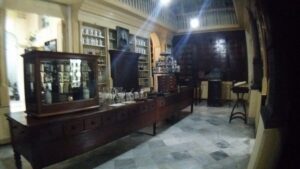
I went to Cuba this winter and was fascinated to learn about the country’s layered history, culture, and politics. One of my favourite discoveries was the Museo Farmacéutico in Matanzas. I was drawn to it, of course, because of my interest in herbal medicine, but also because this beautiful museum is the only fully preserved 19th-century pharmacy in the world. Founded in 1882 by Ernesto Triolet, it has been declared a National Monument—and walking through its doors feels like stepping into a living apothecary from another era.
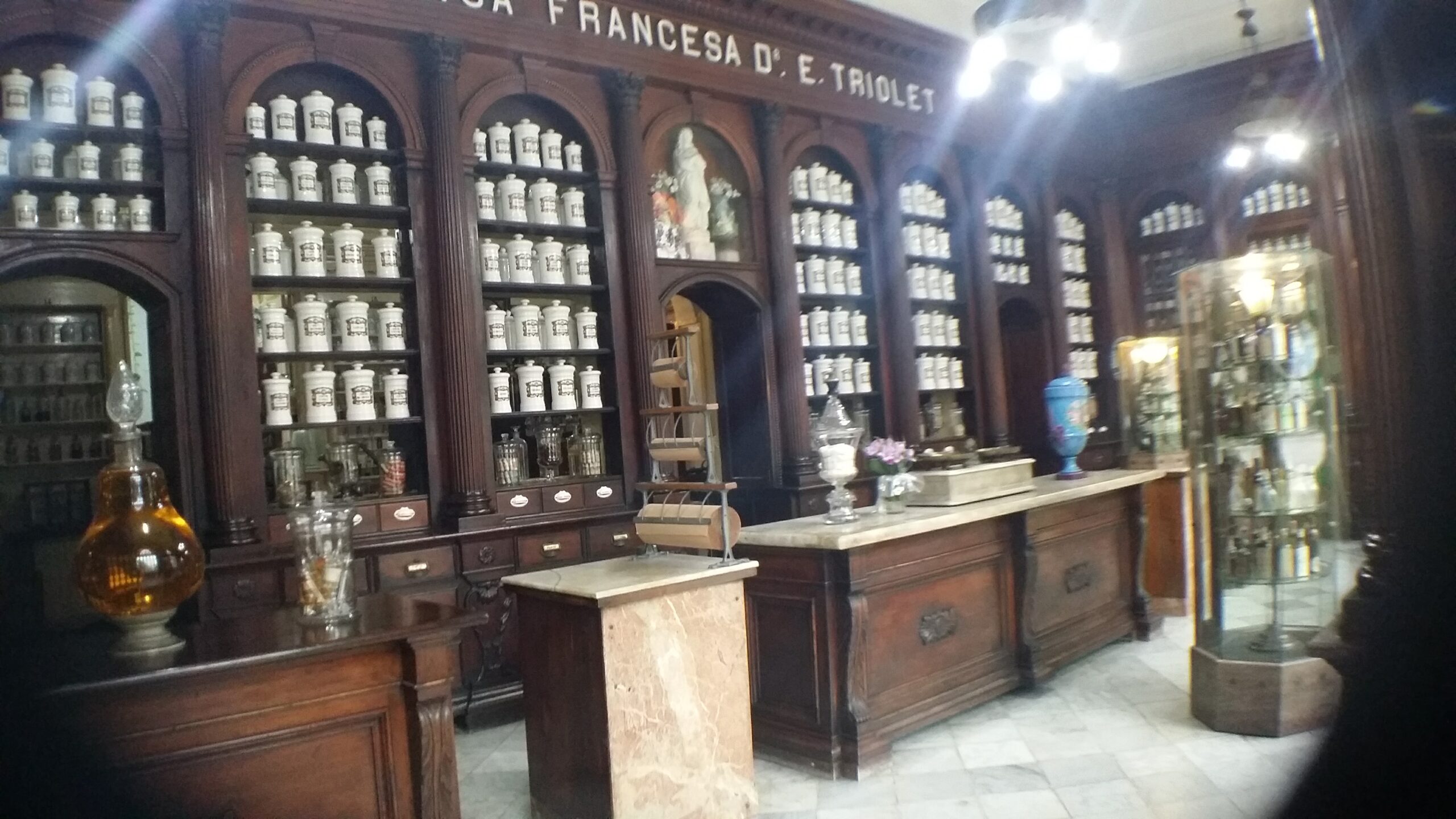
The pharmacy itself was active until 1963, which amazes me. That’s more than 80 years of service, through a time of enormous change in medicine and society. And yet, so many of the tools, materials, and methods remained consistent and useful throughout. In North America, we often rush to replace things, assuming new equals better. But here, the enduring utility of old-world craftsmanship was undeniable.
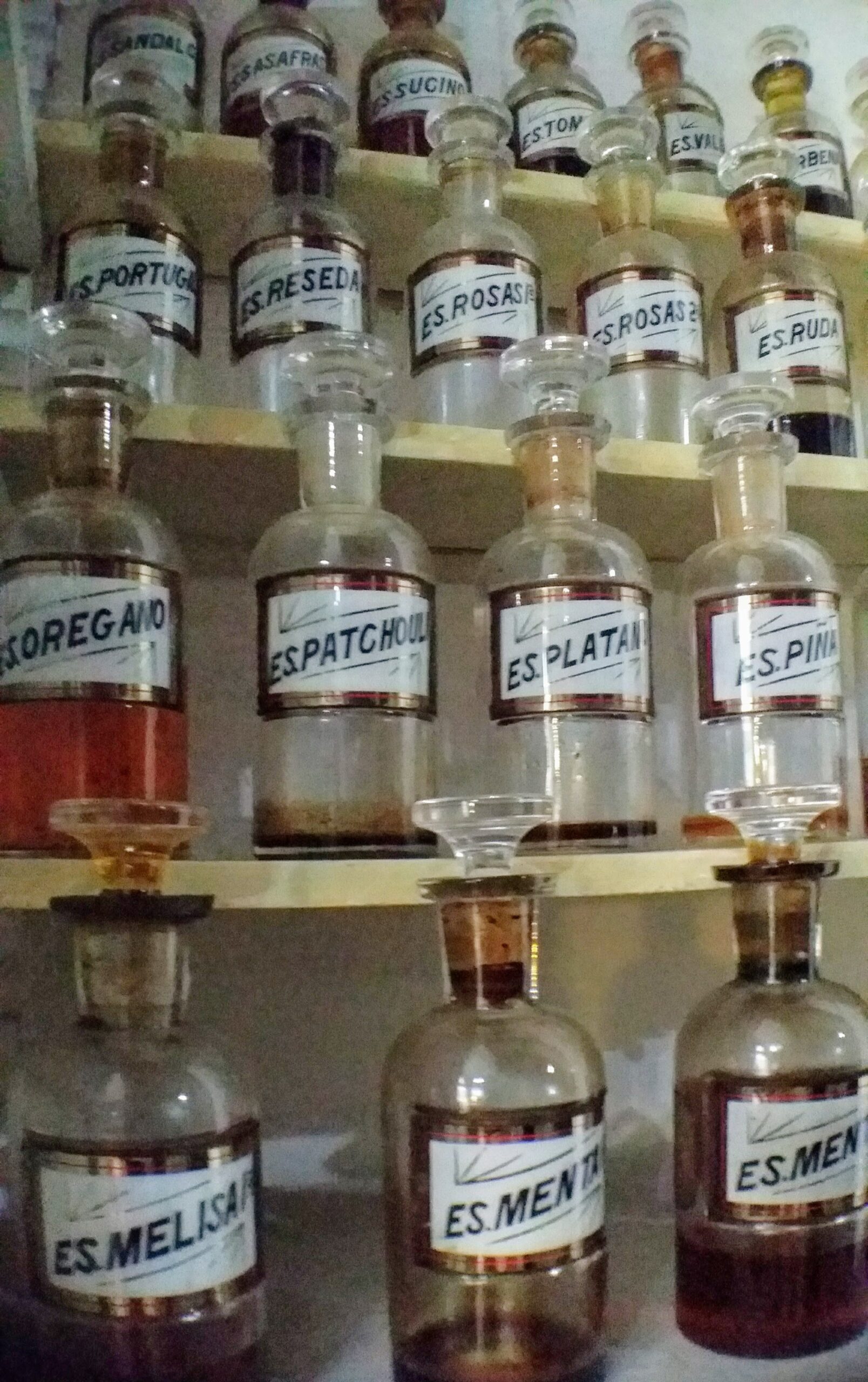
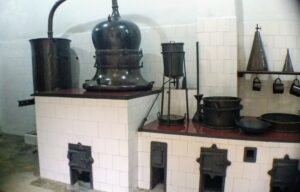
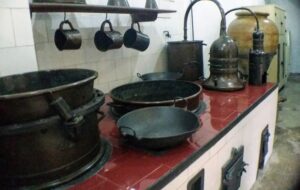
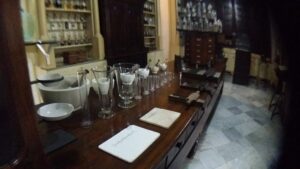
The building is filled with artifacts that would excite any herbalist or history lover: original Victorian medicine bottles and herbal tinctures, ceramic jars labeled in delicate script, the stove and distilling equipment, the original telephone and cash register, and even 55 leather-bound volumes of hand-calligraphed records—documenting every prescription filled for nearly a century.
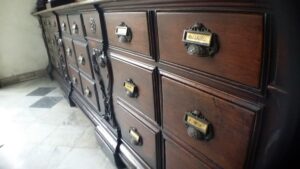
Much of the equipment was imported from France, and the pharmacy’s dark wood cabinetry and carved details are works of art in their own right. Even the drawers and shelves feel alive with stories. Herbs and chemicals still line the walls—powders, perfumes, tinctures, dried roots and leaves—each in its proper place, waiting for use.
There is something profoundly grounding about being in a space like that. Herbal medicine has been practiced for thousands of years, long before pharmaceutical companies and lab-created drugs. In every culture around the world, people have relied on the plants around them, passed down recipes and rituals, and developed deep relationships with the land as a source of healing. Walking through the Museo Farmacéutico reminded me that we don’t have to reinvent everything. There’s wisdom here that still applies, and perhaps always will.
Just around the corner, a modern pharmacy in Matanzas is still operating. It's more understated, without the ornate details, but it's a direct continuation of that same lineage. Herbal knowledge lives on—not just in museums, but in daily life.
Visiting this place made me reflect on how we carry these traditions forward, and how many of us are trying to return to a life where our skills, health, and community are more rooted in the land. For me, that means growing and preserving my own herbs, making my own medicines, and dreaming of building an intentional community where this kind of knowledge is part of everyday life—not a relic of the past.
If you’ve ever been to the Museo Farmacéutico or a similar place, I’d love to hear what stood out to you. Let’s keep the conversation going—leave a comment or hit reply.
.